Top 7 Signs Your Home’s Framing Needs Repair or Reinforcement
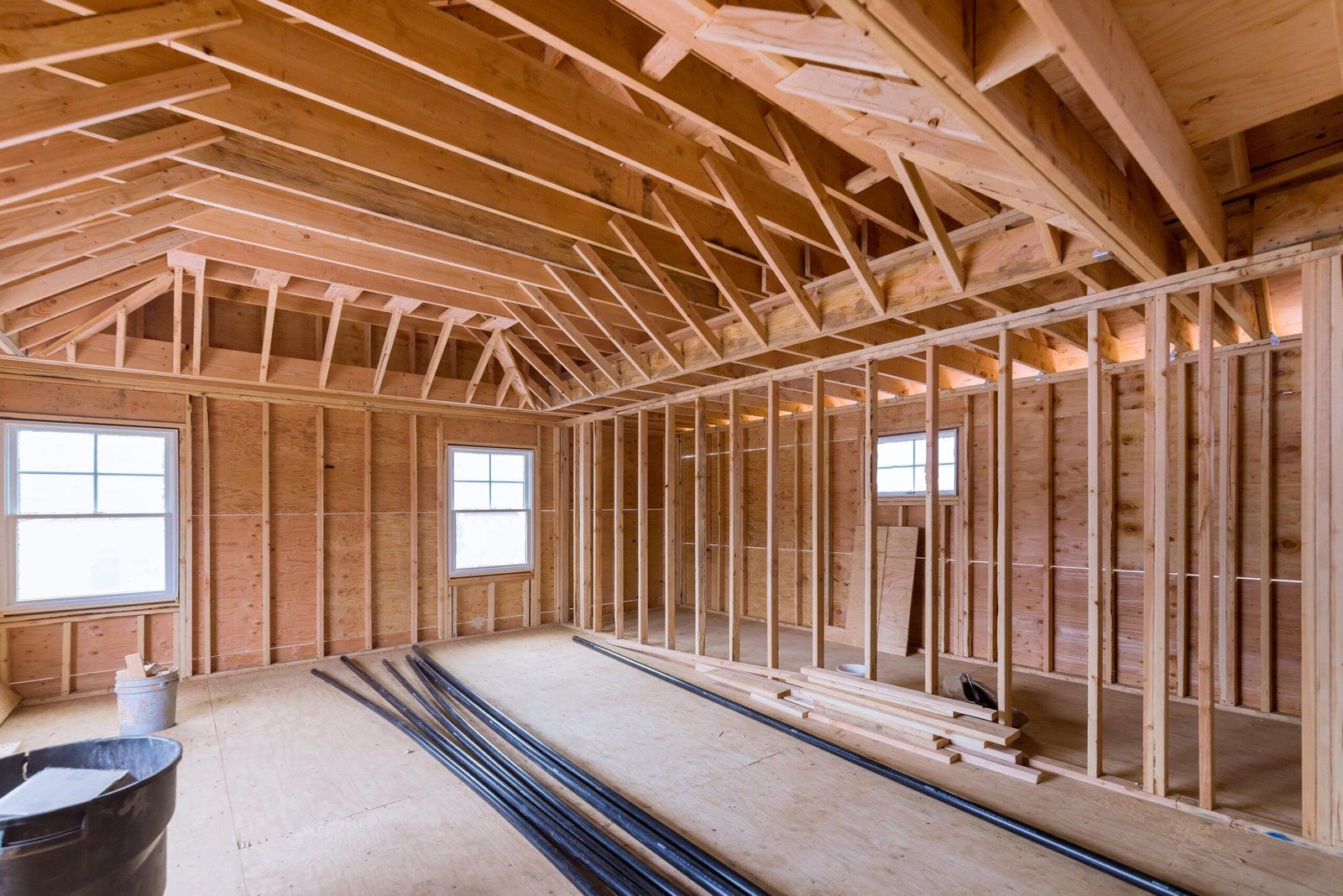
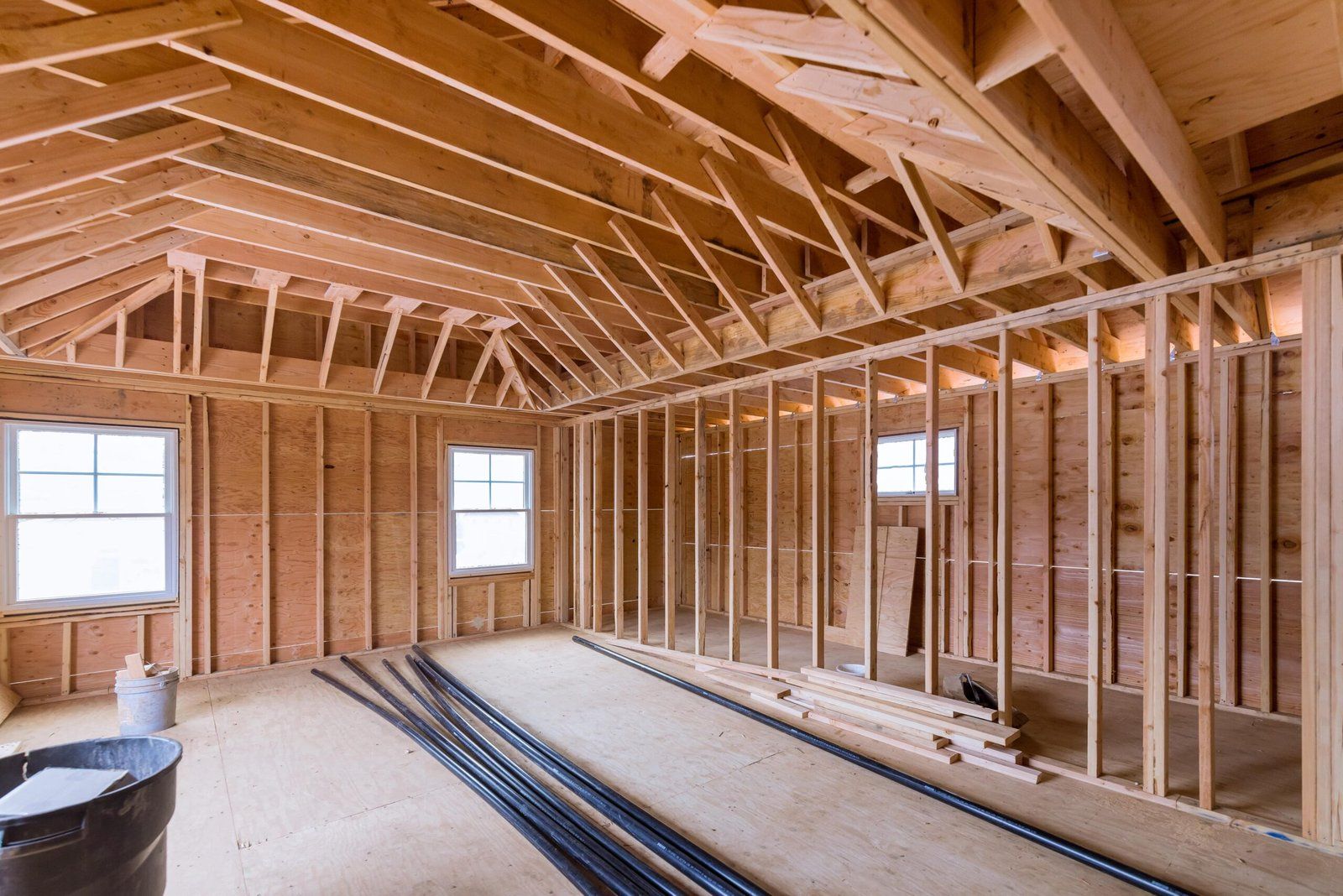
The framing of your home is the hidden backbone that supports every wall, ceiling, and roof over your head. While it’s not something you see every day, it plays a vital role in the structural safety and stability of your house. Over time, framing can wear down or become damaged due to moisture, pests, or shifting foundations. That’s why it’s important to recognize the early warning signs of trouble. Addressing issues early can save you from more expensive and complicated repairs down the line.
Cracks in Walls or Ceilings
One of the earliest and most common signs of framing trouble is cracks appearing in the walls or ceilings. These are often found near door frames, windows, or corners of rooms. While minor hairline cracks might simply result from normal settling, larger or growing cracks may indicate that the framing beneath is shifting or under stress. If these cracks become more prominent over time or start to spread, it could mean the structure is no longer holding its shape properly.
Doors and Windows That Stick or Won’t Close
If doors or windows in your home begin to stick, fail to latch, or no longer close smoothly, it may be more than just a seasonal issue. When the framing shifts or warps, openings can become uneven. You might notice doors scraping the floor, not staying shut, or requiring extra force to close. These symptoms, especially if multiple doors or windows are affected, are often linked to framing problems and should not be ignored.
Sagging or Uneven Floors
Walking across your floor and feeling dips or bounces can be a sign of framing problems underneath. Framing joists and beams are responsible for supporting the floors, and over time they may weaken due to moisture, decay, or structural wear. This is particularly true in homes with basements or crawl spaces. A sagging or uneven floor can compromise the safety and comfort of your living space and usually points to the need for framing reinforcement.
Wood Rot or Mold in Hidden Spaces
Moisture is one of the biggest threats to your home’s framing. If you spot wood rot, water stains, or mold in areas like the attic, basement, or crawl space, it’s a clear warning sign. Framing that becomes damp may begin to decay and lose its strength. Mold also signals poor ventilation and excess moisture, both of which can cause long-term structural damage. These problems often hide in places that aren’t part of your daily routine, which is why regular inspections can be so helpful.
Pest Damage from Termites or Ants
Framing made from wood is vulnerable to insects such as termites and carpenter ants. These pests eat away at the internal structure, often without visible signs until the damage is significant. Signs of pest activity may include hollow-sounding beams, tiny holes, sawdust piles, or unexplained soft spots in wood. If left untreated, pests can severely weaken framing elements and make your home unsafe. Professional treatment along with structural repair may be necessary to restore your home’s integrity.
Ceiling or Roof Sagging
If you look up and see that your ceiling is starting to droop, or your roofline appears uneven, the framing above may be failing. Rafters, beams, and trusses are key parts of the roof structure, and when they lose strength, they may no longer support the weight of the roof. This often occurs because of excess moisture, poor ventilation, or overloaded structures such as rooftop HVAC units or heavy snow loads. Sagging ceilings or uneven rooftops should be checked immediately to prevent further damage or collapse.
Strange Creaking or Popping Sounds
Houses often make small noises as they settle, especially during changes in temperature or humidity. However, frequent creaking, popping, or snapping sounds may point to framing that is under unusual stress. These noises often occur when framing expands or shifts and can signal more serious movement within the home’s structure. If you notice these sounds along with other signs like cracks or sticking doors, it’s a strong indication that the framing may be compromised.
Why Early Repair Is Important
Your home’s framing is not just a background element—it is the support system for everything else. When the framing is damaged or weakened, it affects more than just appearance. Doors stop working properly, floors lose their level, ceilings sag, and eventually the safety of the entire home may be at risk. Timely inspection and repair ensure that small issues don’t become large, expensive problems.
How Professional Home Framing Repair Helps
Experts in home framing repair can accurately assess what’s going on beneath the surface. Whether your home needs reinforcement, new beams, or replacement of damaged sections, professionals can offer targeted solutions that are safe, long-lasting, and code-compliant. With the right tools and experience, framing professionals can restore structural stability and even improve the energy efficiency of your home by sealing gaps and ensuring alignment.
Conclusion
Framing issues may not be immediately obvious, but they can have a major impact on the safety, stability, and comfort of your home. From sticking doors and cracked walls to sagging ceilings and soft floors, the signs are there if you know what to look for. Being proactive when these signs appear can save you from larger repairs and give you peace of mind that your home is safe and secure. If you suspect a problem or just want a professional opinion, reach out to a trusted framing contractor. At Gutting Edge , we provide expert inspections and home framing repair services designed to protect your home from the inside out. Whether your home is aging, expanding, or simply needs a check-up, we’re here to help you build on a strong foundation.
The post Top 7 Signs Your Home’s Framing Needs Repair or Reinforcement appeared first on Gutting Edge.